
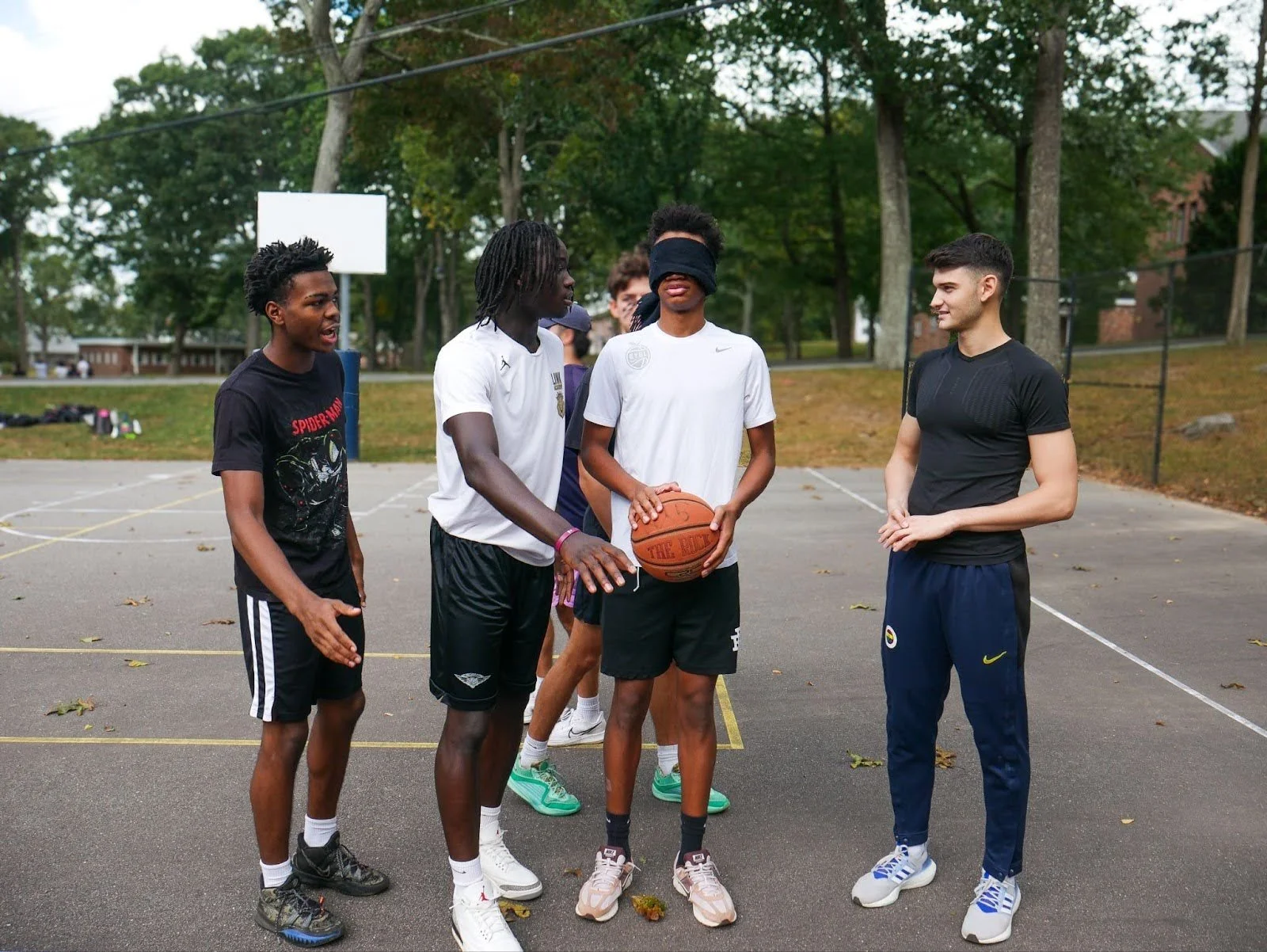
Performance Training for the Moment After the Mistake.
IA trains athletes to regulate under stress — inside sport, where those skills actually have to work.
No new class periods. No new staff. No new infrastructure. IA installs directly into the environments you already run.

IA teaches self-regulation — breathwork, self-talk, visualization, and attentional control — inside the pressure moments where those skills actually need to work.
277 students | 2 Randomized Controlled Trials | Published Research

The Problem
Why it Doesn’t Transfer
Most programs teach mental skills in calm settings.
But pressure doesn't feel calm — and that's why the skills don't transfer.
IA trains self-regulation inside real pressure, during mistakes, fatigue, and competition.
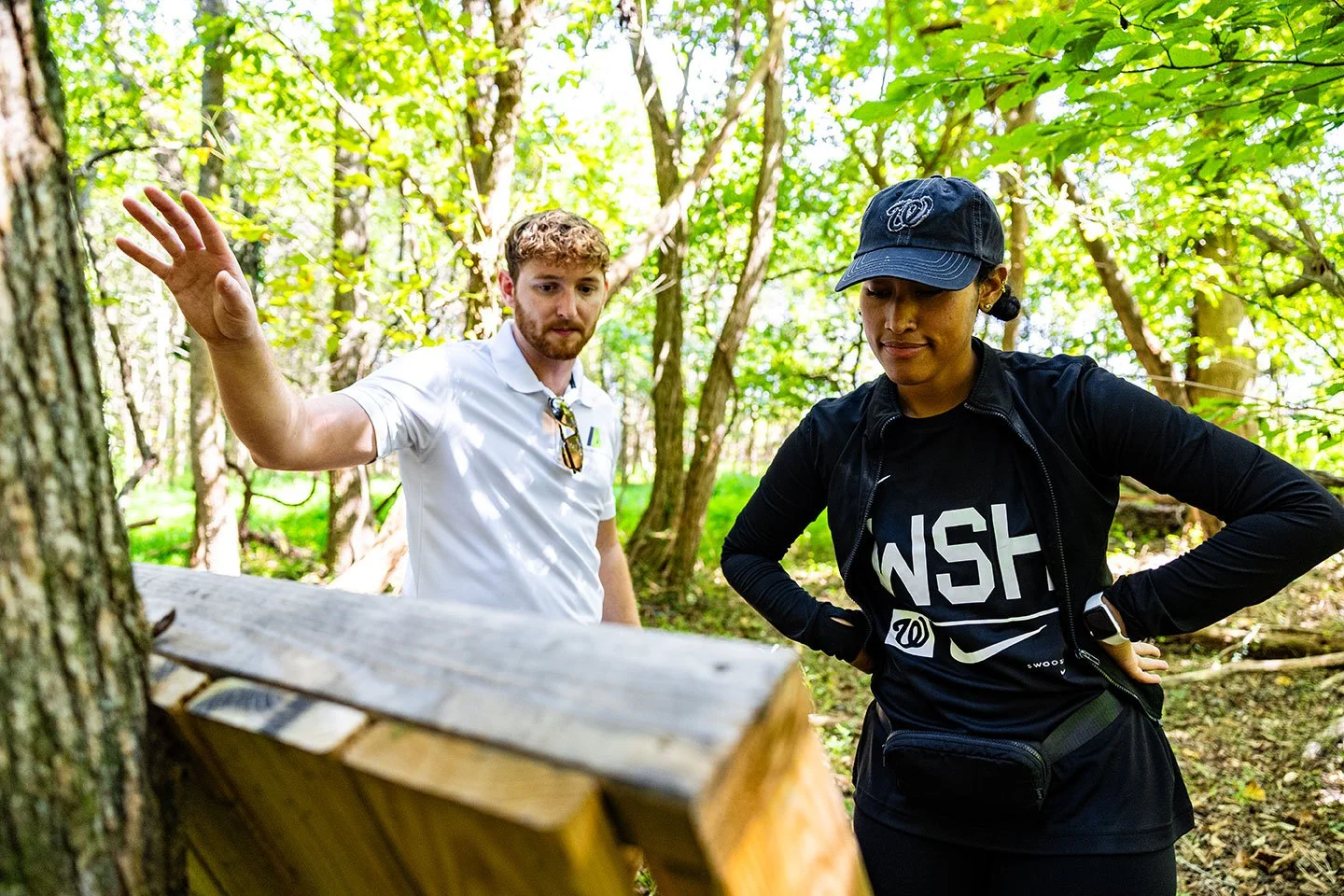
The Reset
Four steps. Three seconds. Becomes automatic.
Most programs teach regulation skills in calm settings and hope they transfer under pressure. The research is clear: skills transfer when they are trained in conditions that match reality.
IA trains athletes to regulate attention, emotion, and behavior while the body is activated — during drills, games, and the moments that actually matter.
INTERRUPT
Attentional Control
You can’t ask someone to redirect their attention before you’ve interrupted the physiological response first. The nervous system is still in threat mode. Instructional self-talk doesn’t penetrate that state — it just bounces off. Physical interrupt first, breath second.
Regulate
Breathe
When you reframe a mistake as a signal instead of a verdict, there’s an actual physiological shift happening. Cortisol is still rising, but the body starts using that energy to perform rather than protect.
REDIRECT
Self talk
A self-talk cue that reorients focus to the next action. The goal is to get to neutral divorcing all emotion from what just happened with total focus on what has to occur Next. "Lock in." "Feet set."
ENGAGE
Get BIG
Back in Game. Immediate committed action. The sequence is complete. The next play has a chance.
Mistake
Reset
Next Play
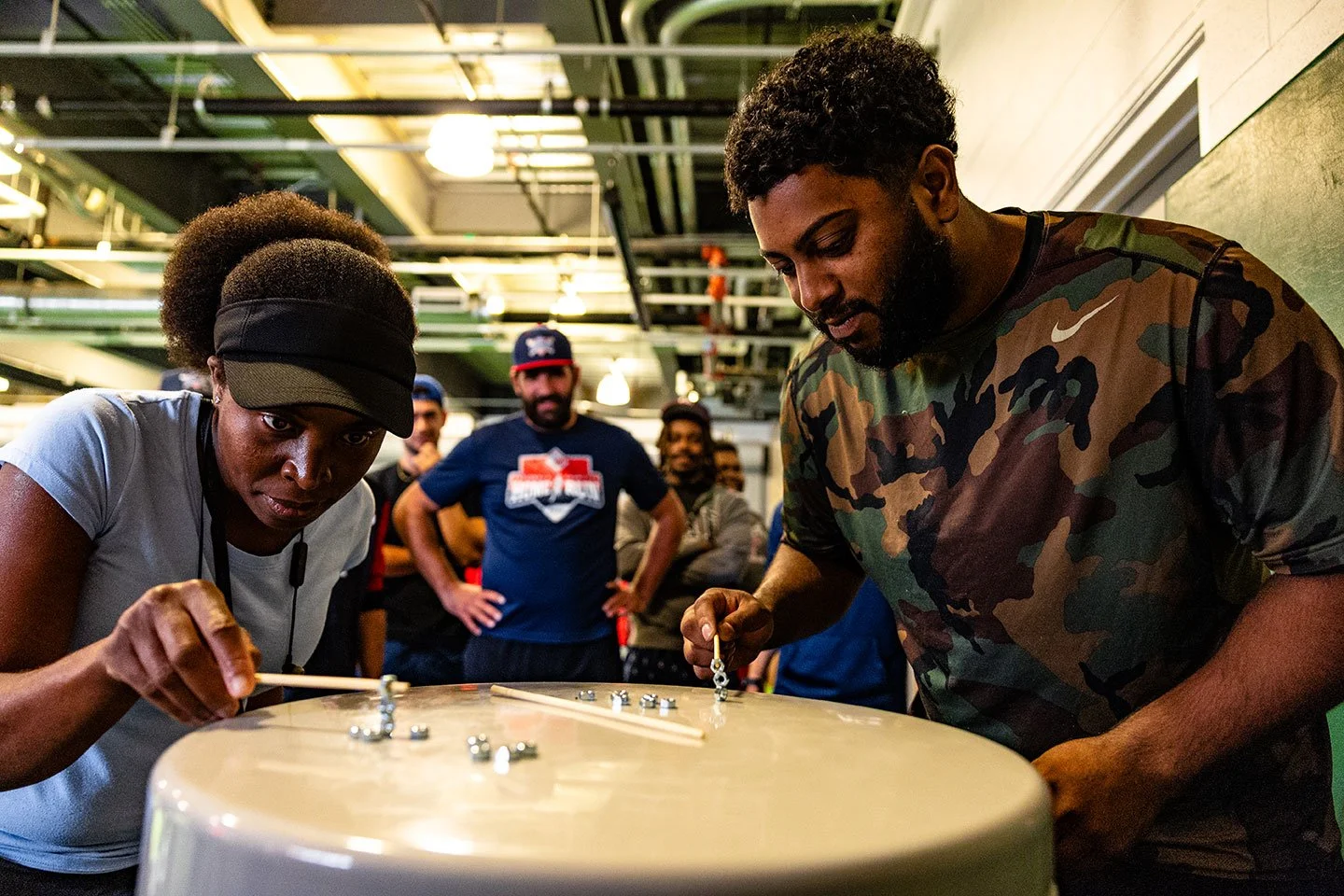
How IA Works
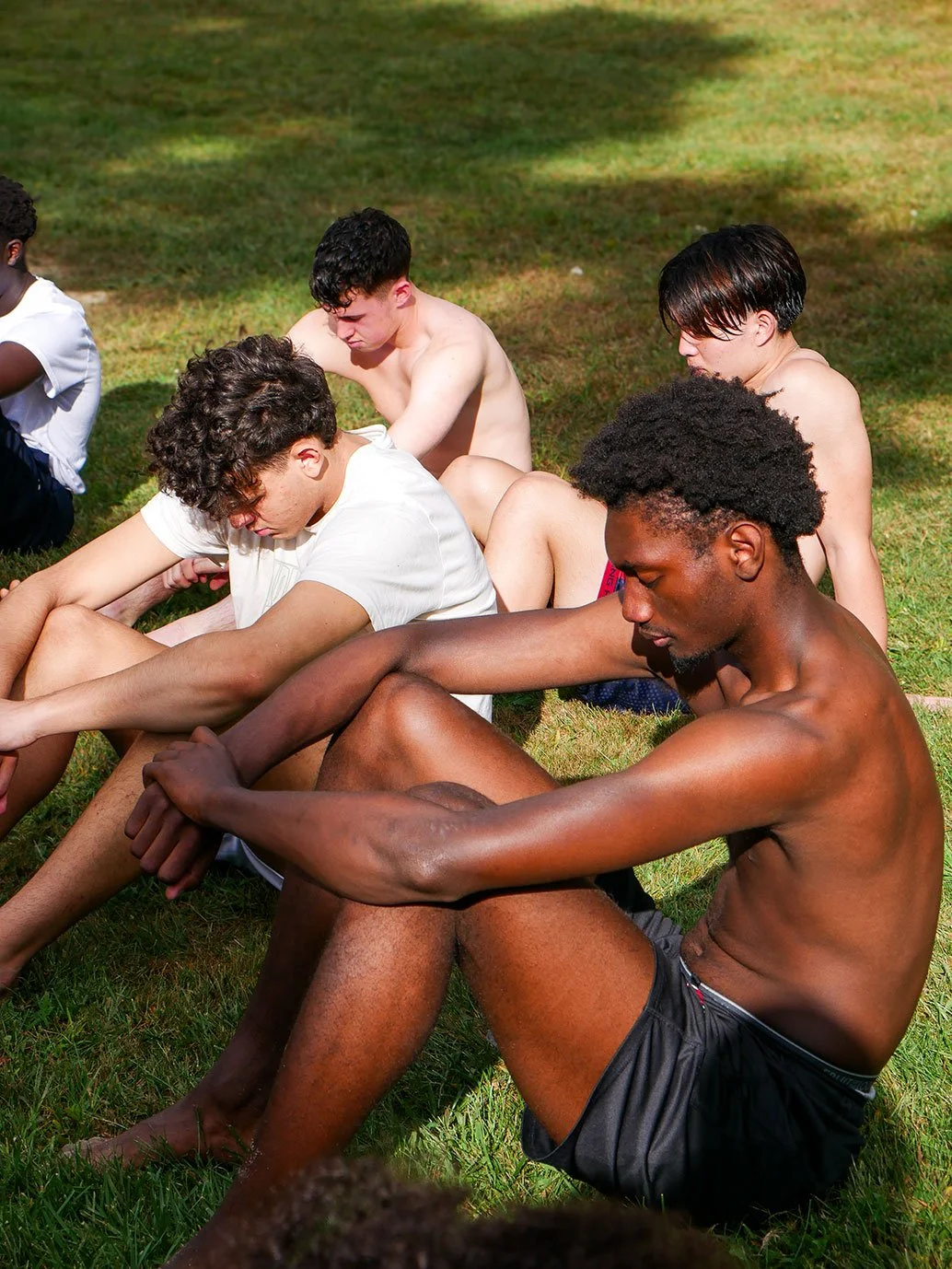
Warm Up
Movement Before Instruction
Skills are introduced after the body is activated — encoded in the same state where they need to perform. Warmups are slightly stressful designed to connect athletes to their breath and each other with the athletes in control of the stress levers.
Skill Intro through Storytelling
All the data in the world wont change one single mind but a good story will. IA has mined popular culture for the most entertaining true stories where the protagonist uses a breath or a mental skill to get out of a bind.
Structured and Unstructured Play
IA Instructors practice skill during naturally occurring resets and transitions within games athletes are familiar with and imaginary play.
Cool Down
End Practice with a short meditation to help close out session and transition to next activity.
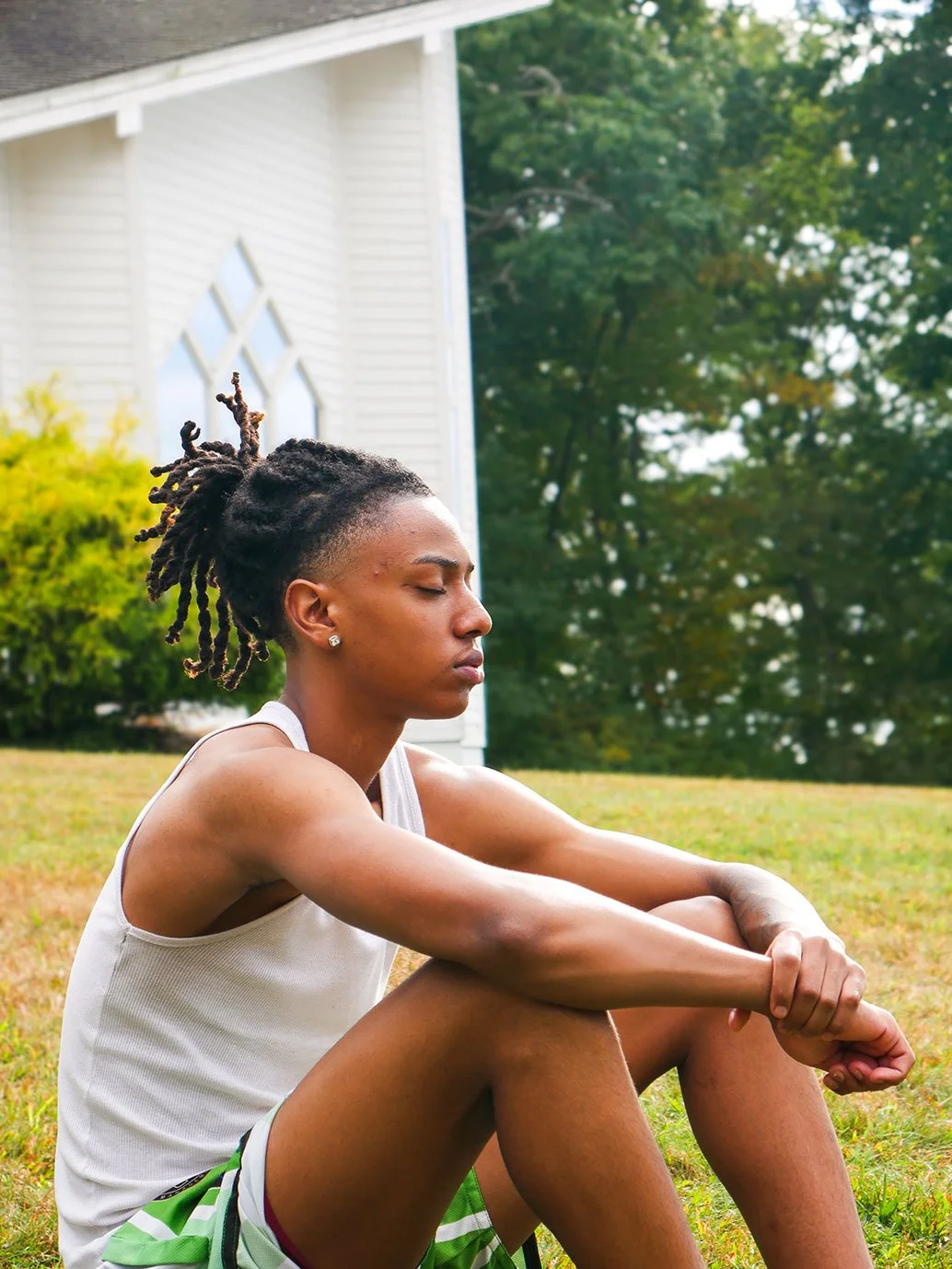
What changes for athletes and the programs that serve them.
Stay composed under pressure. Use a practiced breath to settle nerves and prepare for the next action.
Lock in when it matters. Practice directing attention to the task and refocusing when distractions pull it away.
Recover from mistakes. Use the four-step IA Reset to interrupt frustration and return to the next play.
Take the skills beyond sport. Connect the same routines to a tough test, a difficult conversation, or a hard day at school.
ATHLETE
LANGUAGE
Perform calm under pressure
Lock in when it matters
Bounce back from mistakes faster
Carry the skills beyond the game
Every rec league, school, and team already has the environment. What's missing is the method.
What Coaches, Parents, and Researchers Say.
"This year’s rugby team experienced more growth over the course of one season than any team I’ve ever coached. This is due in large part to the work we did with IA, focusing on self-regulation"
— Peter Baggetta, Varsity Rugby Coach, Gonzaga High School, Washington, D.C.
"I’m teaching skills that I wish someone taught me earlier in my own athletic playing career. I felt like I had no tools to deal with my inner game.”
— Dajon Wells, IA Mental Performance Instructor, Former Wide Receiver Colorado State Football
Four skills. One sequence. Built for pressure.
01
Breathwork
Regulate physiology when stress spikes. Control your body under pressure. Trained inside competition, not before it.
02
Self-Talk
Replace spiral thinking with clear instruction. Personalized, task-specific language that redirects focus after a mistake.
03
Visualization
Rehearse both execution and recovery. The mental image of a successful reset is as trainable as any physical skill.
04
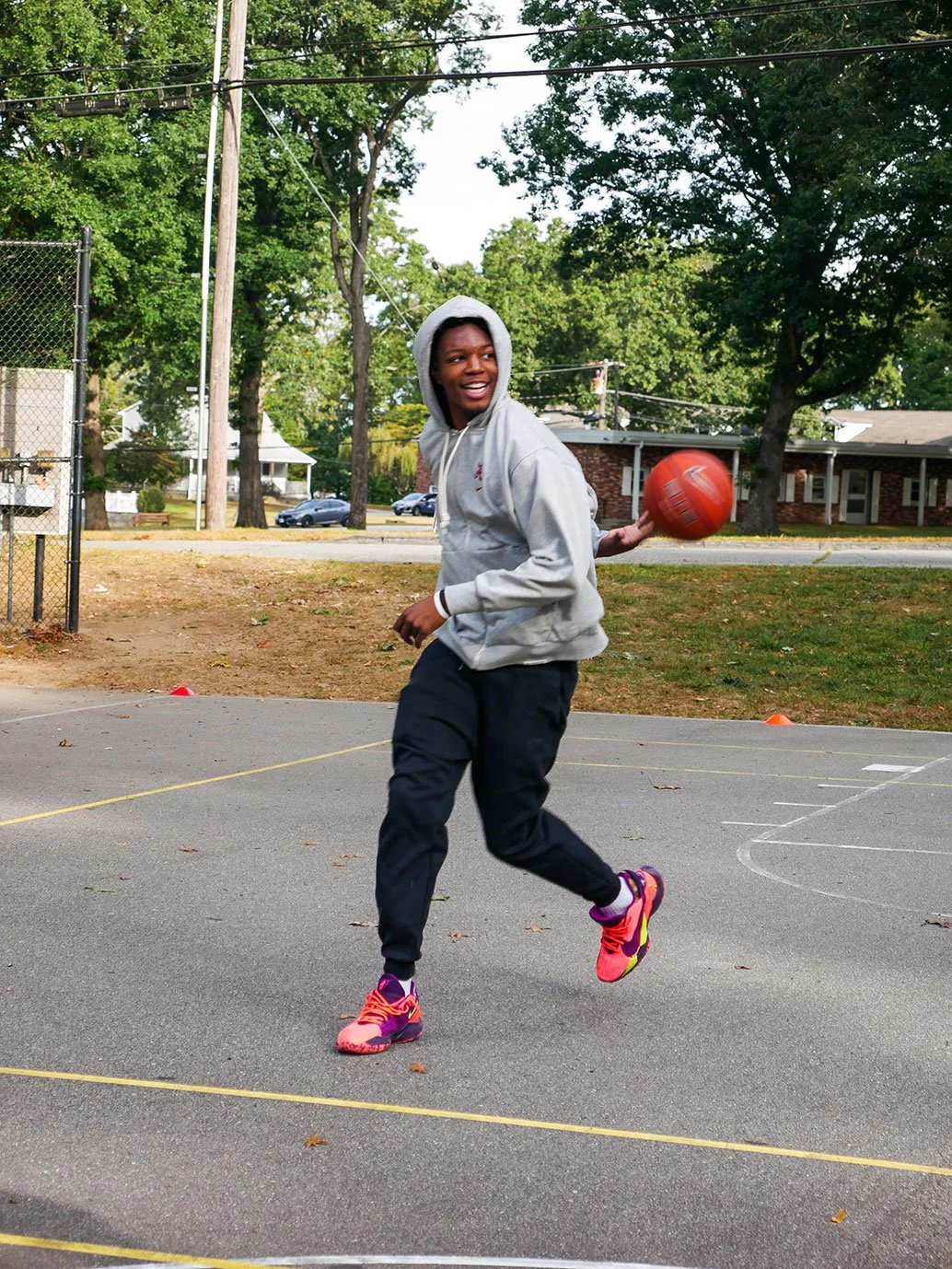
Attentional Control
Train focus in a distracted world. Athletes learn to move attention on command — the most transferable skill we teach.
Evidence that goes beyond inspiration.
Gr. 2–8
2
277
Randomized controlled trials
Students across two studies
Validated age range
92%
Instructor fidelity — non-clinicians
Students who completed the IA program showed measurable improvements in persistence under challenge, daily mental skill use, perceived control under pressure, and the ability to apply those skills at home when angry or frustrated. Middle school students showed significant reductions in anxiety and increases in resilience on validated clinical measures. Control groups, who received the same physical activity without the mental skills training, showed no comparable gains.
Research conducted in partnership with The Catholic University of America under the guidance of Dr. Brendan Rich, Chair of the Department of Psychology. Accepted for publication in Frontiers in Education Mental Health and Physical Activity, a peer-reviewed journal. Studies conducted in San Diego Unified and Alvord Unified School Districts serving predominantly Hispanic/Latinx youth from low-income communities.

IA’s curriculum has been evaluated across two controlled studies with 277 students, showing statistically significant improvements in self-regulation and reductions in anxiety.
Delivered through sport and play, IA creates ecologically valid stress conditions—allowing students to build skills that transfer to real-world challenges.
Statistically significant results. Real-world conditions. Skills that transfer.
One system. Multiple entry points.
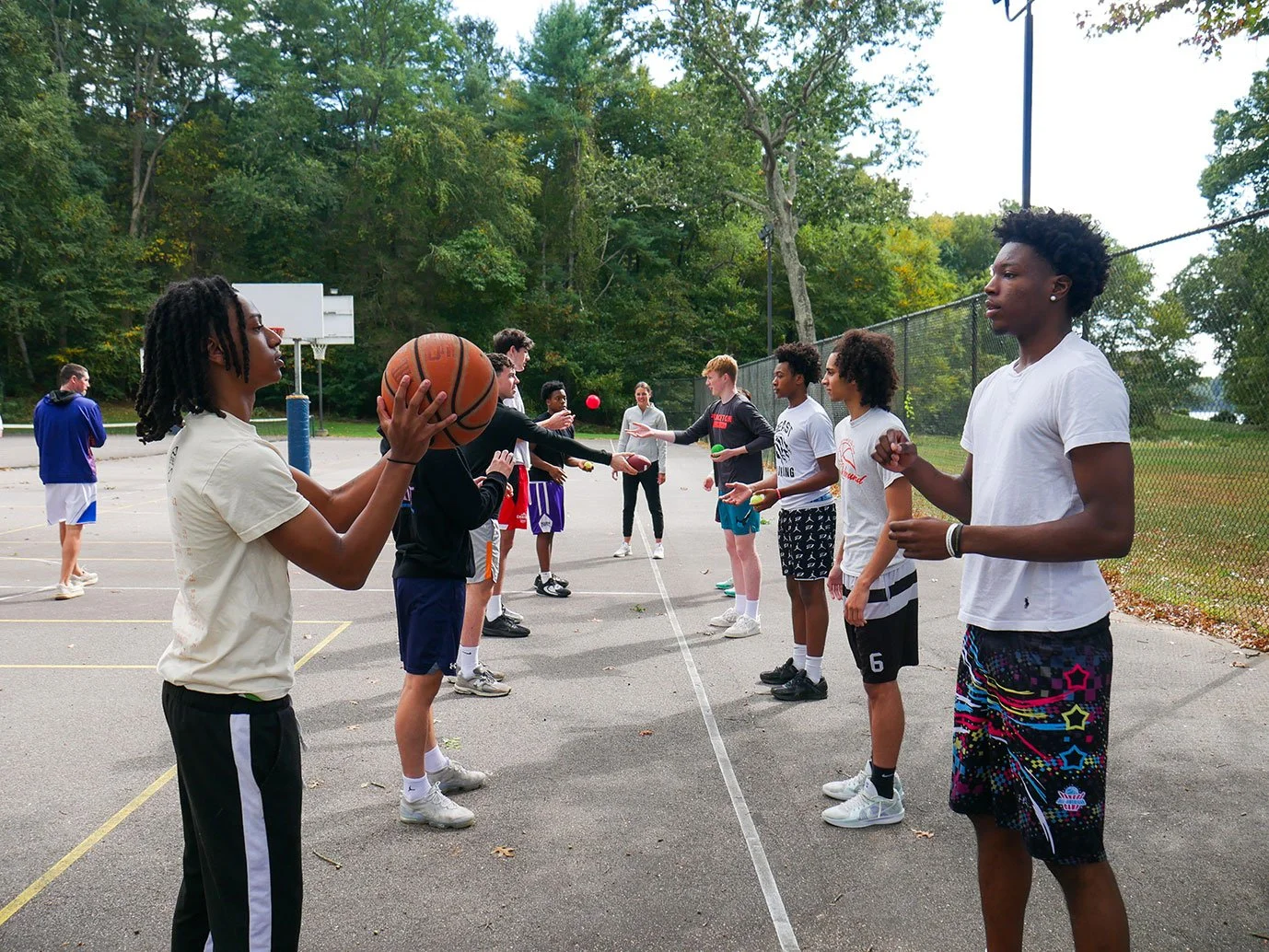
School Partnerships
An evidence-backed, movement-based way to build self-regulation district-wide — without adding classroom time or expanding clinical staff.
Designed for Athletic Directors, SEL leads, PE directors, and expanded learning teams.
Team Programs
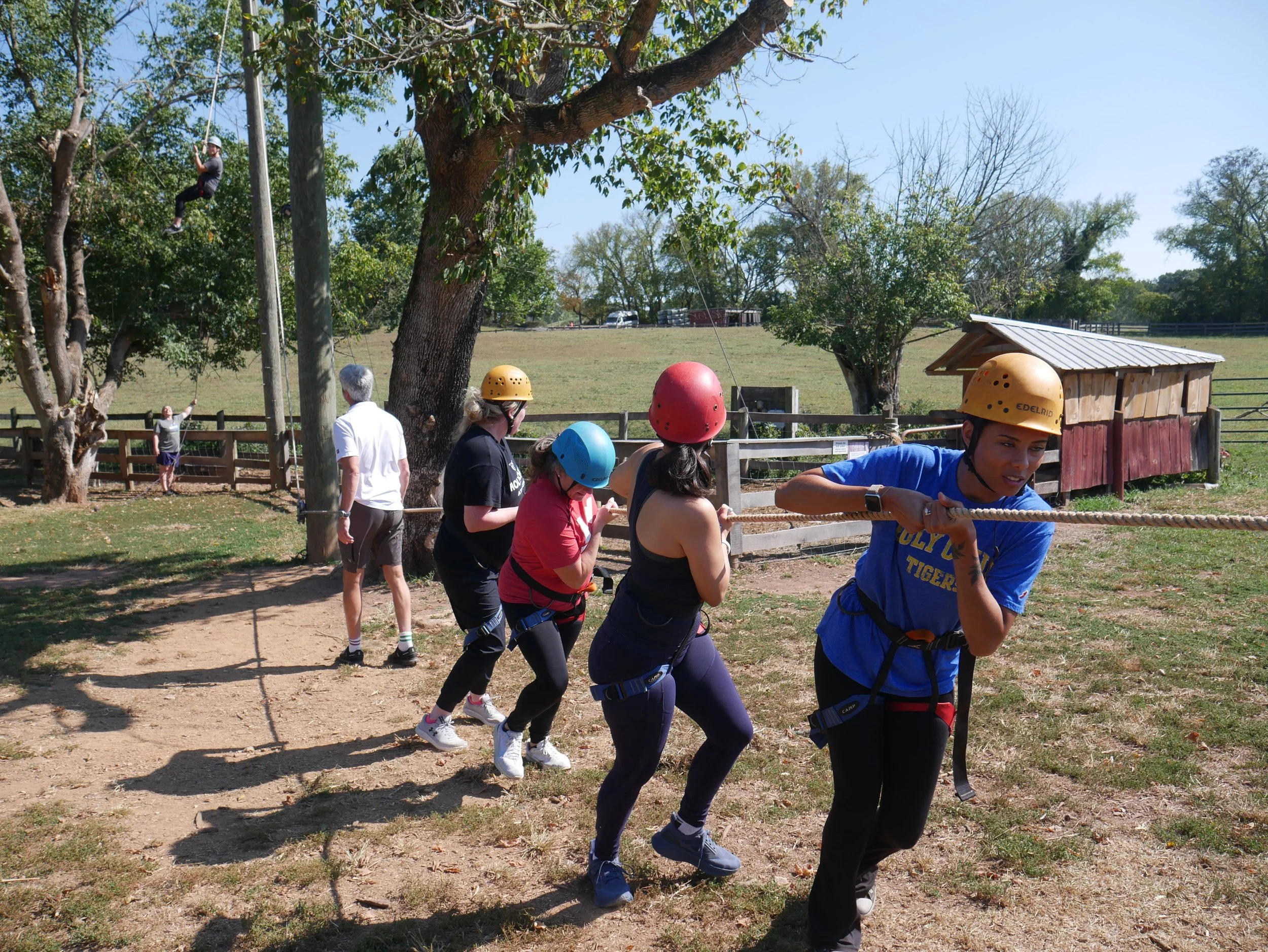
Install a shared reset language across your roster. When every athlete knows the sequence, mistake recovery speeds up and emotional friction between teammates drops.
Preseason boot camps, in-practice integration, and competition systems.

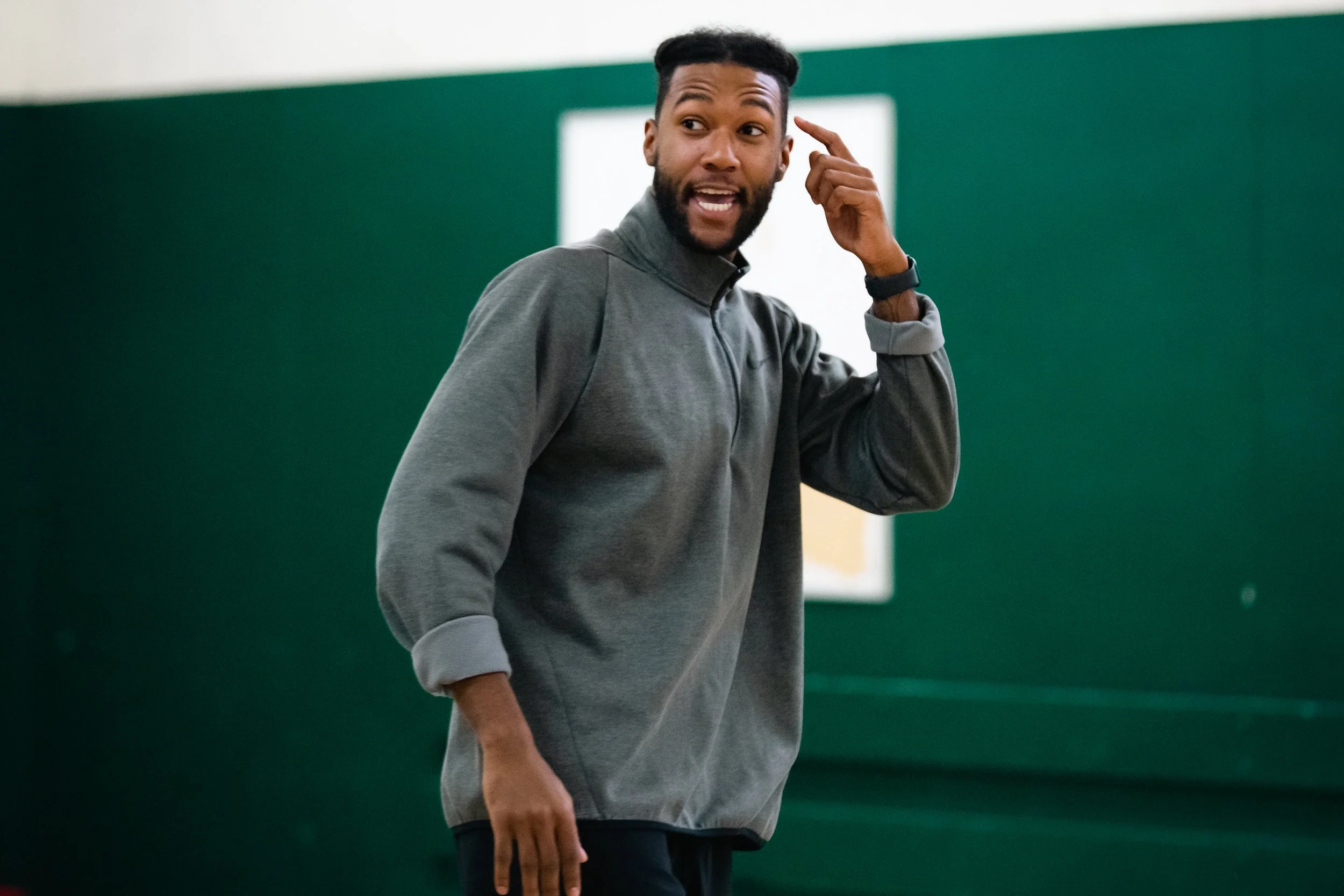
Coach Training
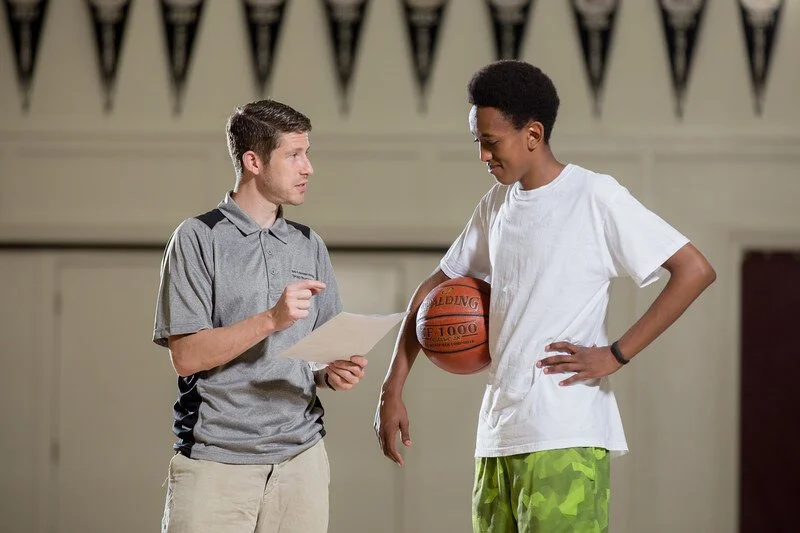
Coaching is its own pressure sport. IA Coach Training installs reset protocols for sideline moments, transition routines between periods, and regulation tools coaches can use on themselves before they use them with their athletes.
Amp
Sessions
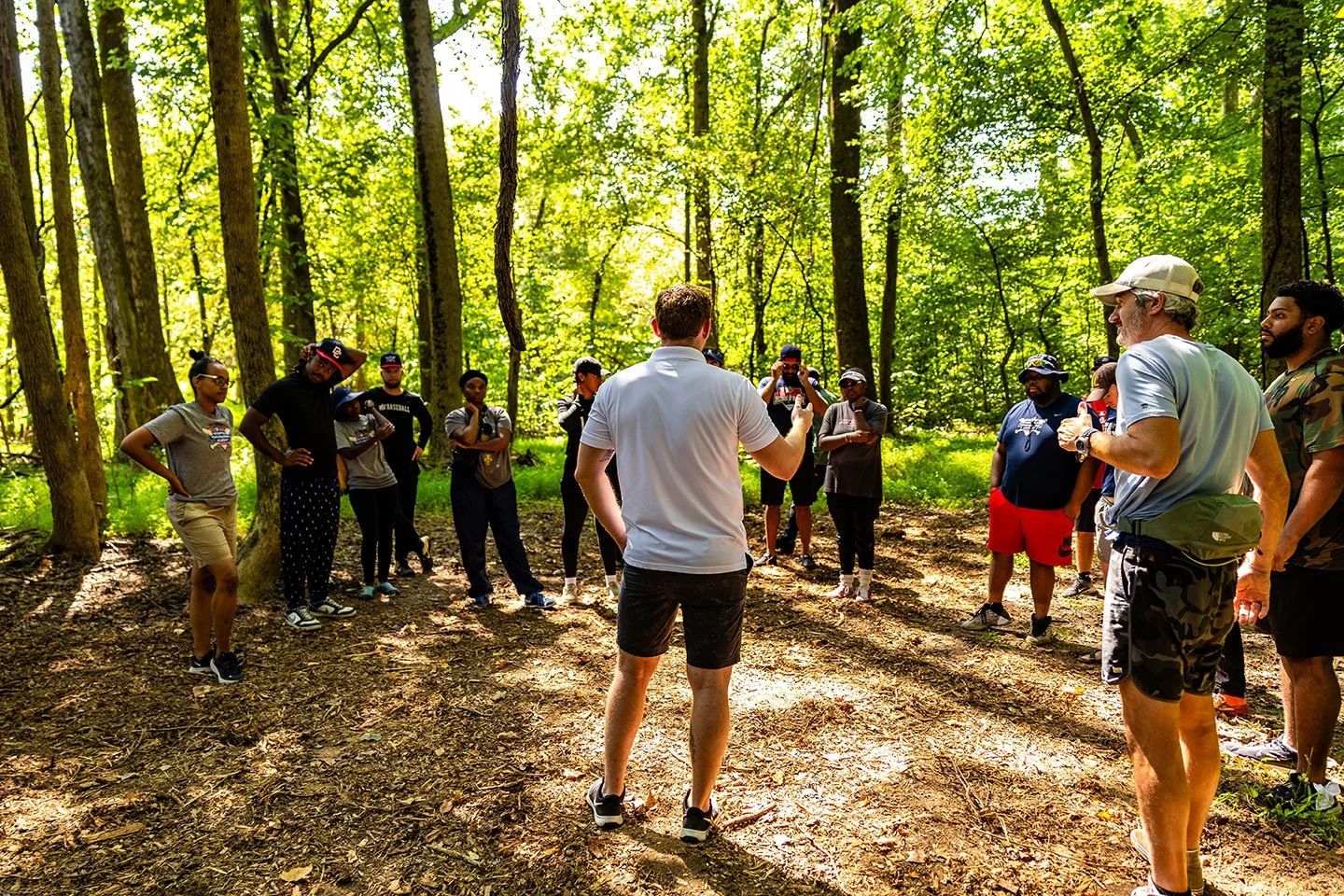
Personalized mental performance work for athletes who want an edge — or who are navigating pressure, anxiety, or a confidence dip. Sport and nature-based.
Available individually or in small groups.
Built on rigorous science. Delivered by people who know sport.
Our instructors bring sport psychology out of the textbook and onto the field. Every IA session is led by a certified instructor trained to teach through movement and play. That is how the science becomes a skill athletes actually use.
Intellectual Athlete was founded by Sean Tuohey who spent years using sport to unite children across some of the most divided communities in the world. That experience shapes how we think about pressure, resilience, and what young people are truly capable of.

Questions we hear most.
Mental Performance Training for Schools and Teams: Frequently Asked Questions
What is Intellectual Athlete?
Intellectual Athlete (IA) teaches students and athletes to manage pressure, recover from mistakes, and refocus through sport and play. Our mental performance training brings breathing, self-talk, visualization, and attention skills into PE classes, team practices, and active challenges.
Who is Intellectual Athlete for?
IA works with elementary and middle school students, high school and college teams, PE teachers, and coaches. Activities are adapted to participants’ ages, abilities, and goals. Students do not need athletic experience, and accomplished athletes can use the training to strengthen their preparation and response to pressure.
What is the IA Reset?
The IA Reset is a four-step response to mistakes and pressure: Interrupt, Regulate, Redirect, Engage. Participants learn to recognize frustration, interrupt their reaction, take a controlled breath, and focus on their next useful action. Repeated practice builds shared language, with the goal of students and athletes resetting without an adult’s reminder.
What is a pre-performance routine?
A pre-performance routine is a short sequence that helps someone prepare for an action. IA teaches Body, Breath, Picture, Go: establish a physical starting position, breathe, picture the action, and begin with a useful cue. Participants practice routines before challenges and resets after mistakes.
How does IA support social-emotional learning and student wellness?
IA helps students practice self-awareness, emotional regulation, persistence, and cooperation through movement. Games create opportunities to respond to frustration, manage competition, and support others. Teachers help students connect those experiences to tests, disagreements, and everyday challenges.
How is IA different from a classroom SEL lesson?
IA makes movement and play the setting for learning. Students encounter a challenge, notice their response, practice a mental skill, and try again. This gives schools a practical way to reinforce social-emotional learning during PE, athletics, and expanded learning programs.
Is Intellectual Athlete therapy?
IA provides sport based stabilization training. It does not diagnose or treat mental health conditions or replace school counseling. Students practice skills that support performance and wellbeing, including managing frustration, preparing for challenges, and returning to a task after a setback.
How does IA fit into the school day or practice schedule?
IA can integrate into existing PE classes, intramurals, and team practices. Schools can train current staff to deliver the curriculum or bring in IA instructors. Ongoing activities can fit within existing sessions; staff workshops and initial team training require dedicated time agreed on in advance.
What happens during PE teacher or coach training?
Teachers and coaches experience active challenges, learn mistake resets and pre-performance routines, and practice using the tools themselves. They then learn how to teach the skills through their existing activities, recognize useful coaching moments, and help students apply the skills independently.
What research supports Intellectual Athlete?
IA’s youth curriculum was evaluated in two controlled studies involving 277 students in grades 2–8: one randomized controlled trial and one quasi-experimental study. Findings included improvements in reported persistence, mental skill use, and use of skills at home. The middle school study also found reduced anxiety symptoms and improved resilience.
The research evaluated the youth curriculum, rather than the specific high school or college Team Reset package. Read the study, published in Frontiers in Education in April 2026.
How soon can we expect results, and how do we measure progress?
Participants begin practicing the tools in their first session. Consistent use takes repetition, and progress varies. We look for students recognizing frustration, using a reset, returning to the task, and eventually doing so without prompting. Pre- and post-program measurement is available and can be included in the engagement plan.
How much does Intellectual Athlete cost?
Program Price High school Team Reset training $2,500 per team
Division III Team Reset training $3,500 per team
Division I Team Reset training $4,500 per team
PE teacher training $2,500
Embedded PE instruction $225 per hour, per instructor
Each proposal specifies the schedule, staffing, included services, and any travel costs.
Can schools use SEL, professional development, or student wellness funding?
Potential funding sources include professional development, SEL, student wellness, athletics, and expanded learning budgets. Eligibility depends on the funding requirements and proposed program. IA can provide program descriptions, research, and pricing to support your district’s review.
Can we start with one team or school?
Yes. Schools and districts can begin with a paid pilot for one team, a PE program, or a staff training. Before starting, we agree on the participants, schedule, cost, and measures of success.
To discuss a program, contact Intellectual Athlete with your school or team, approximate participant count, and preferred timing.
Every rec league, school, and team already has the environment. What's missing is the method.
Your athletes already practice effort and execution.
IA trains what happens when pressure hits.